- Home
- Courses & Learning
- Subject Information
- Classical Civilisation - A Level
Classical Civilisation - A Level
BackQualification: A Level Classical Civilisation
Exam Board: OCR
A Level Classical Civilisation offers a fascinating journey into the ancient Greek and Roman worlds, exploring their literature, culture, politics, architecture, art, religion and society. You will study epic stories, powerful myths and influential historical figures, while examining how the classical world has shaped modern culture and ideas. The course develops strong analytical, evaluative and communication skills, making it an excellent choice for students who enjoy history, literature and critical thinking, and who are interested in humanities-based degrees and careers.
Course Content
The Classical Civilisation A Level Involves immersion in Greek and Roman culture, exploring literature, art, architecture, history, mythology, and society .
Component 1: The World of the Hero
The first part of this unit involves the study of Homer’s Odyssey. Students will explore Homer’s epic tale of Odysseus’ 10 year journey home and his struggle to re-establish control in Ithaca. It is a thrilling tale involving gods, goddesses, heroes, and monsters. Students will become familiar with key themes, characters and ideas and also be able to appreciate aspects of context as well as the poet’s techniques.
The second part of the World of the Hero involves the study of Virgil’s Aeneid. Virgil’s epic describes Aeneas’ journey from Troy and his struggles to establish a new city in Italy. In this unit students will examine the text against the backdrop of the Roman political context, building an understanding of Augustus and his principate along the way.
Component 2: Greek Art
This course focuses on the 6th–4th centuries BC; a period of great change in the Greek world which is clearly reflected in its art. Students will study a prescribed selection of free-standing statues, architectural decorations and vases. They will develop an understanding of the techniques used by artists and be able to chart developments in art across the period. Students will get the chance to engage with some of the most famous works of art from the Western world e.g. the Parthenon decorations.
Component 3: Democracy & the Athenians
Students will develop an understanding of the development of the Athenian democracy through exploration of changes made by individuals such as Solon, Cleisthenes and Pericles. They will learn about how the system worked in practice. Having established this they will then explore a range of source material from the likes of Plato, Thucydides and Aristophanes. This study will introduce students to different attitudes towards Athenian democracy. The understanding of Greek history developed through this unit will also deepen students’ understanding of their Greek Art studies.
Assessment
- Component 1: The World of the Hero - 40% of qualification: (Exam = 2 hours 30 minutes)
- Component 2: Greek Art - 30% of qualification (Exam = 1 hour 45 minutes)
- Component 3: Democracy & the Athenians - 30% of qualification (Exam = 1 hour 45 minutes)
Entry Requirements
Grade 6 in GCSE English (either Language or Literature) and a 6 in a humanities subject.
Students need to be keen and confident readers in order to analyse set texts.
Successful candidates should be able to reach their own judgments, undertake independent study, and demonstrate critical thought.
Extra Curricular Opportunities
- Annual visits to the British Museum and UCL Greek Play are offered to all students.
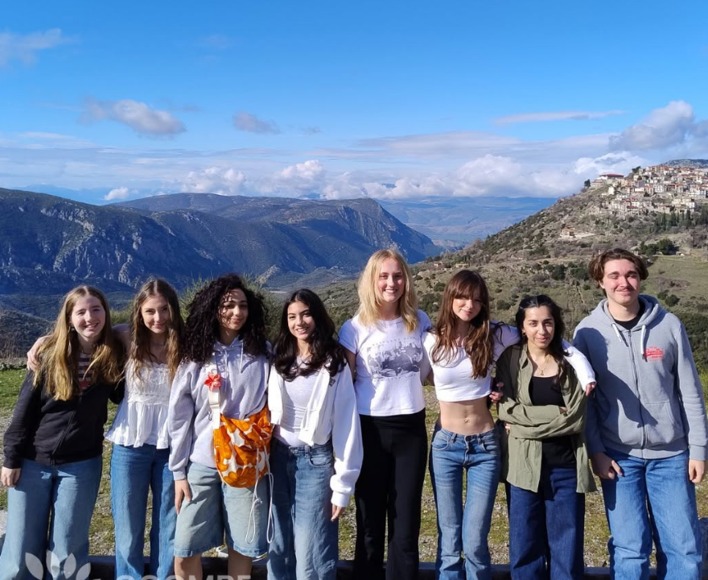
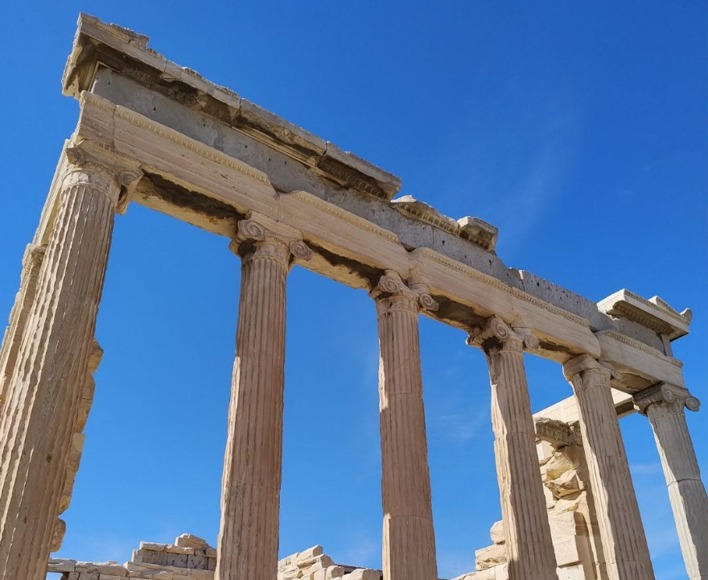
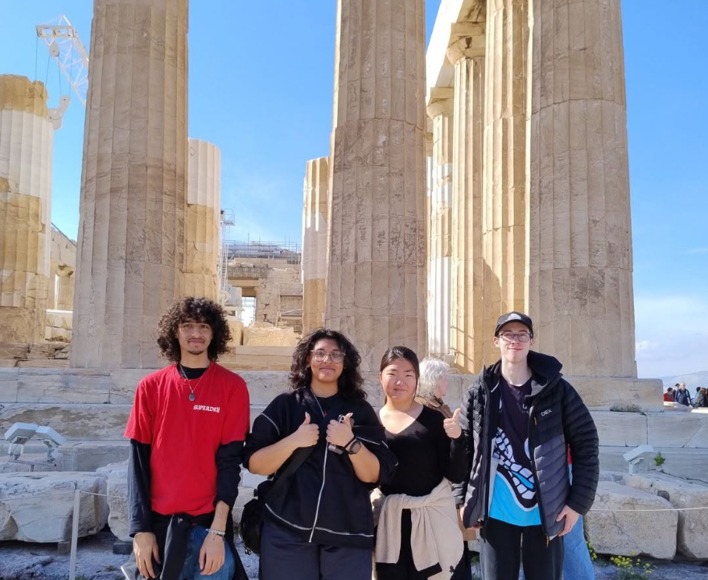
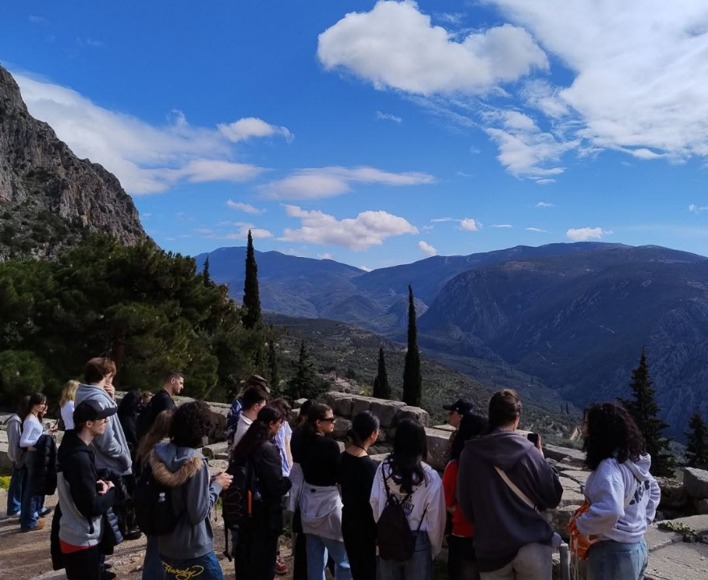
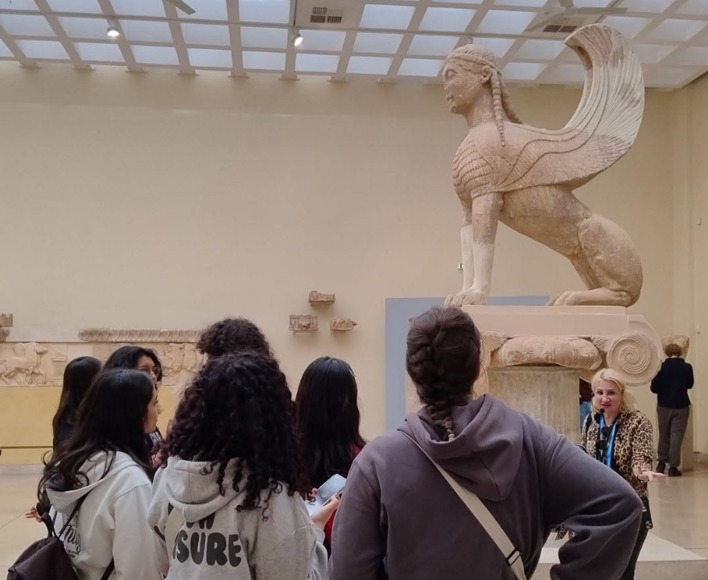
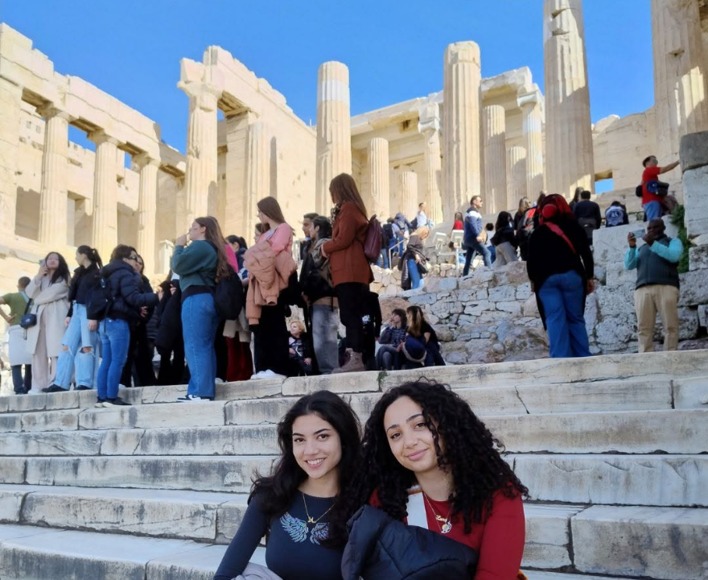
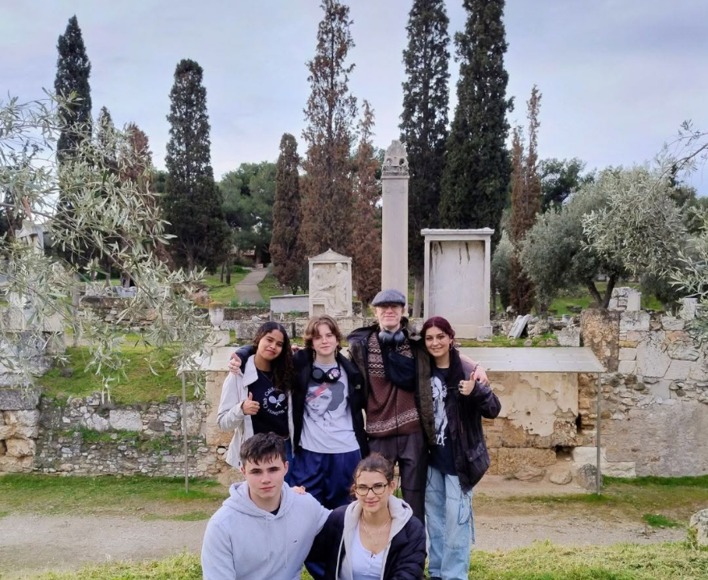
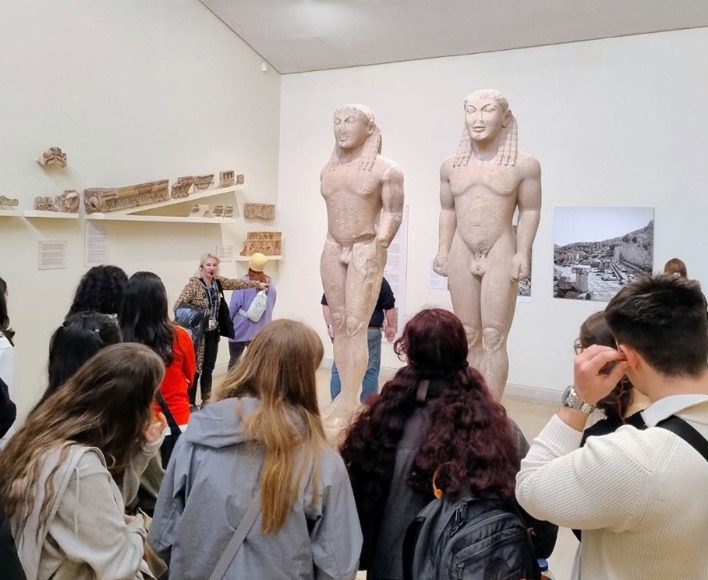
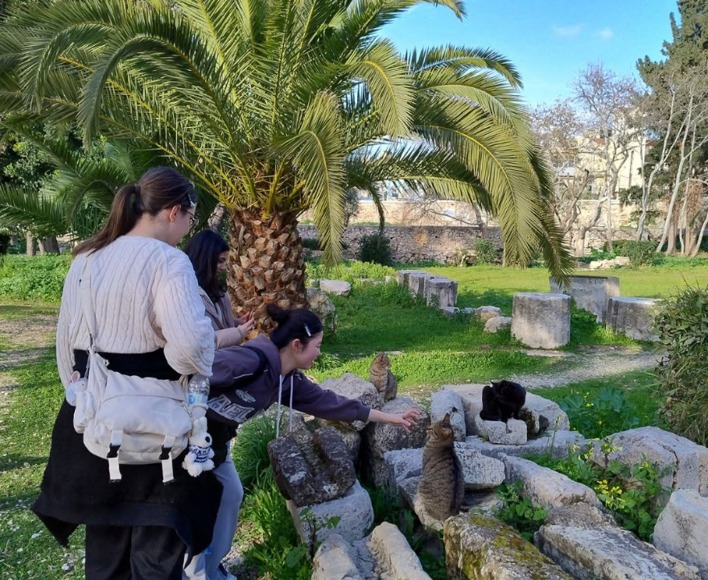
- A bi-annual visit to Athens gives students a chance to explore key sites and come face to face with a number of the objects they have studied in the classroom.
- Classics Book Club also gives students a chance to broaden their reading and understanding of the Classical world.
Progression Post 18
- Regarded as a strong academic subject by Russell Group universities.
- Prepares students for degree specialisms such as Classics, English, History, History of Art, Politics, Art, Archaeology or Philosophy
- Develops research and independent learning skills vital for university-level study.
Careers
Deemed a prestigious choice by employers .
Useful for careers in law, politics, the civil service, teaching, museum and archive work, archeaology and journalism.
What our students say about this course
Yr 12 student
"I am studying Classical Civilisations, English Literature, History and Sociology, and I aim to become a lecturer or archaeologist after studying Classical Civilisations and Archaeology at University.
I like the close-knit community spirit at Coombe; everyone helps each other as much as they can. This support from teachers and students has given me the confidence to aim higher, knowing that it's all within my grasp."